

You finally close your laptop. The kids are asleep, the kitchen is clean, and the house is completely quiet. It is 10:30 PM, and your body is physically exhausted. You know you should turn off the lamp, pull up the covers, and get a solid eight hours of rest. Instead, you grab your smartphone. Two hours later, you are still awake, deep in a TikTok rabbit hole or swiping endlessly through Instagram.
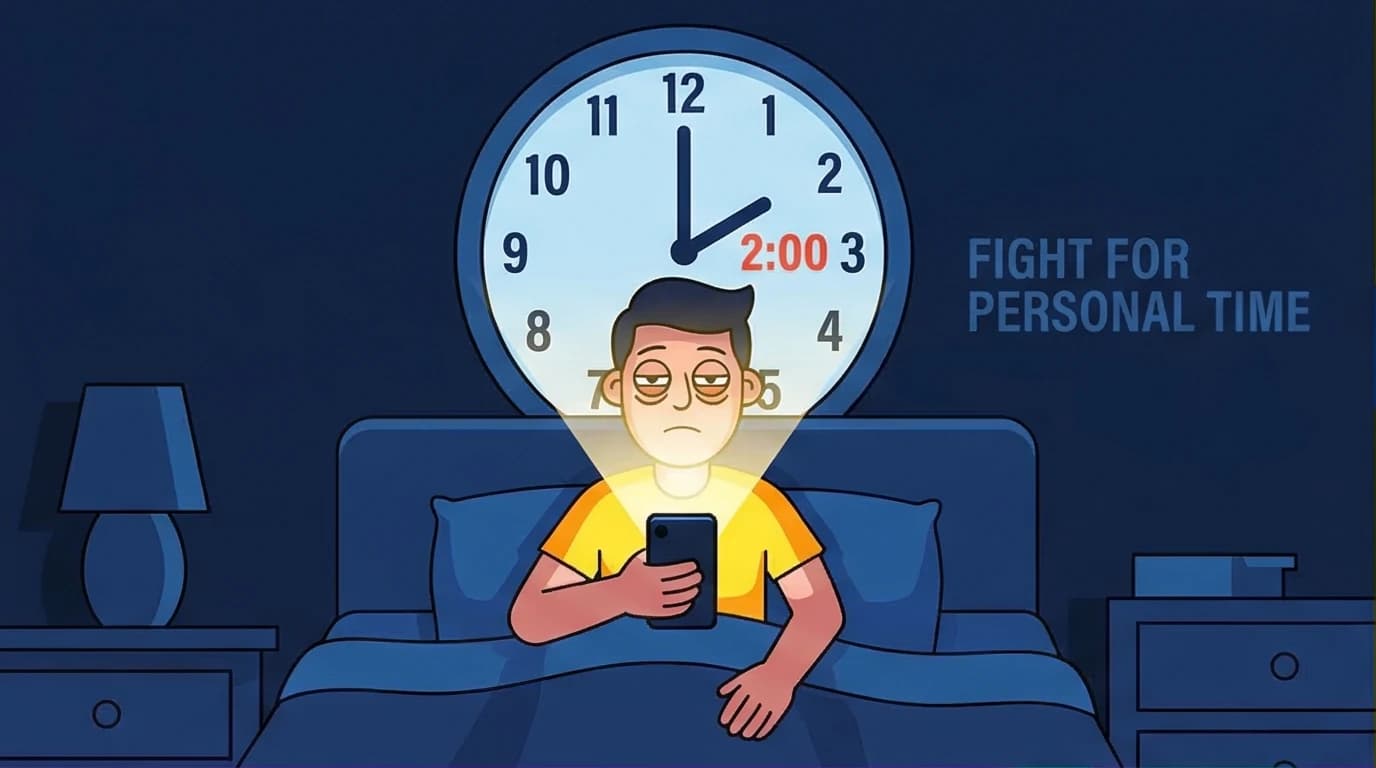
You wake up the next morning feeling miserable, promising yourself you will go to bed early tonight. Yet, when nighttime rolls around, you repeat the exact same pattern.
If this scenario sounds familiar, you are not suffering from a lack of willpower. You are caught in a recognized psychological pattern known as revenge bedtime procrastination.
The Psychology: Why Do I Stay Up Late on My Phone?
To fix the habit, you first need to understand where it comes from. The word "revenge" sounds aggressive, but it perfectly captures the underlying emotion.
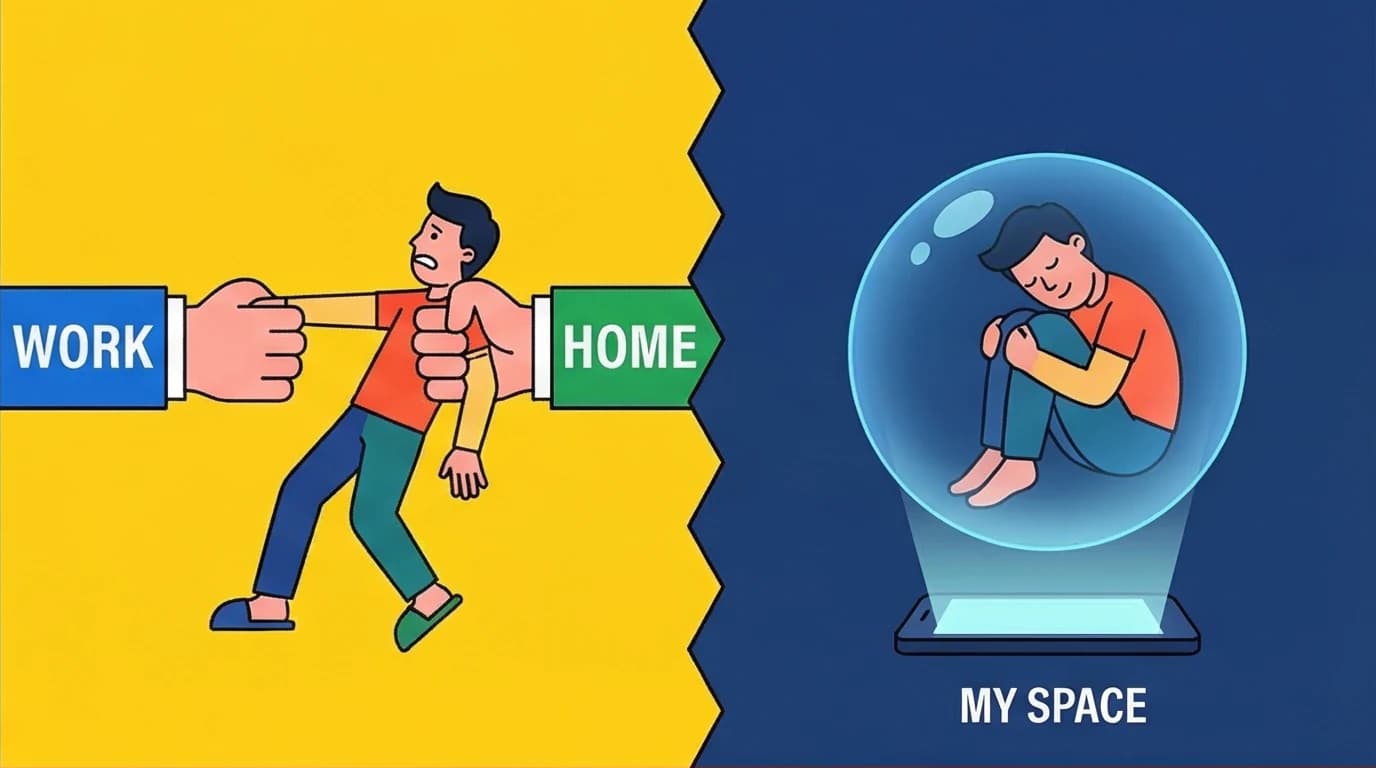
When your entire day is dictated by other people's needs—your boss, your clients, your spouse, or your children—you lose your sense of personal autonomy. Your boss owns your time from 9 AM to 5 PM. Family obligations own your time from 5 PM to 9 PM. By the time you finally get a moment to breathe, the day is effectively over.
When you ask yourself, "why do I stay up late on my phone?", the answer is simple: you are taking revenge on a daytime schedule that left no room for you. Scrolling on your phone feels like the easiest, lowest-effort way to reclaim a few hours of personal freedom before the cycle resets the next morning. You are trading your physical need for sleep for your psychological need for personal time.
This urge to reclaim personal time often manifests as endless scrolling through social media feeds. When that scrolling turns negative and leaves you feeling more anxious than relaxed, you've entered a doomscrolling spiral.
The Biological Trap: Scrolling Before Bed and Blue Light
While the root cause is psychological, the consequences are deeply biological.
Your brain relies on environmental cues to regulate its internal clock, or circadian rhythm. When the sun goes down, your pineal gland starts producing melatonin, the hormone responsible for making you feel sleepy.
This natural process derails completely when you introduce screens. Scrolling before bed blasts your retinas with high-intensity short-wavelength light. This tricks your brain into thinking the sun is still up, halting melatonin production.
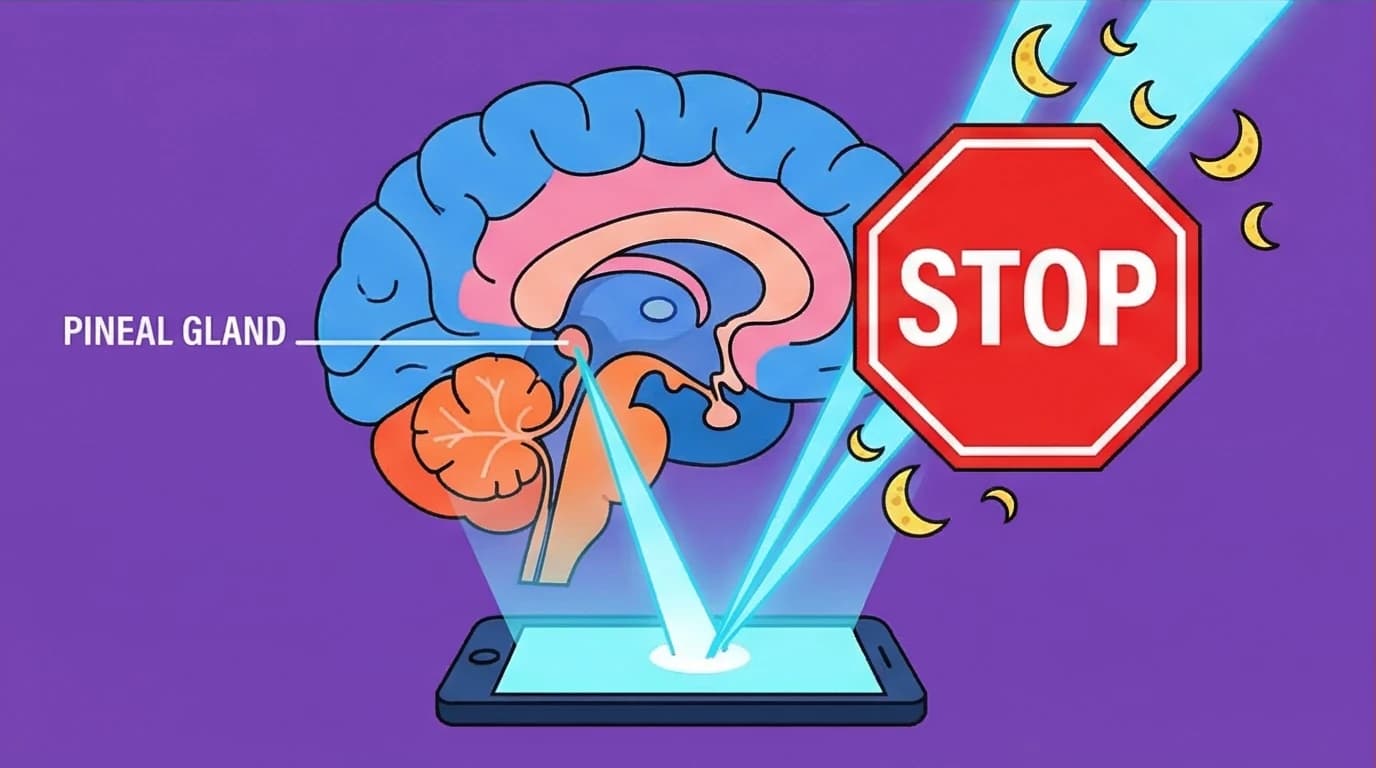
The relationship between blue light sleep disruption and digital media is a vicious cycle. The longer you scroll, the more your brain suppresses melatonin. The less melatonin you have, the more alert you feel. Because you feel alert, you convince yourself that you are not tired enough to sleep yet, leading to another hour of scrolling. By the time you finally put the phone down, your nervous system is overstimulated, making it incredibly difficult to drift off.
Understanding exactly how blue light and late-night screen time hijack your brain's natural rhythms is often the wake-up call people need to finally change their habits. When you realize that sacrificing those hours doesn't just make you tired, but actively harms your immune system, emotional regulation, and long-term health, putting the phone down becomes much easier. If you want a fascinating, deep dive into the incredible biological power of a good night's rest—and why sleep is the ultimate foundation for a healthy life—this eye-opening book is an absolute must-read.
Why We Sleep
Matthew Walker and Steve West
 20 Min
 8 Key Points
 4.5 Rate
How to Stop Using Your Phone at Night (Without Losing "Me Time")
Telling an overworked parent or a burnt-out employee to "just put the phone away" is terrible advice. You still need your "me time." The goal is not to eliminate your personal relaxation time, but to decouple it from glowing rectangles.
Here is a realistic framework for how to stop using phone at night while still getting the mental break you deserve.
1. Shift Your Autonomy Earlier in the Day
If you steal time at night, it is because you are starving for it during the day. Try to inject small pockets of autonomy into your waking hours. This could mean a 15-minute walk around the block by yourself during your lunch break, or drinking your morning coffee in complete silence before anyone else wakes up. When you sprinkle micro-breaks throughout your day, the psychological desperation to reclaim time at midnight drops significantly.
If you constantly feel like your schedule belongs to everyone else—whether it's your boss, your kids, or your partner—learning to carve out that daytime autonomy is a game-changer. Reclaiming your time requires getting comfortable with saying no and prioritizing your own well-being. If you struggle with people-pleasing or feel guilty taking a 15-minute break for yourself, you might need a little help redefining those lines. This empowering guide is packed with actionable advice on how to assert your needs gracefully so you don't end up desperately searching for "me time" at midnight.
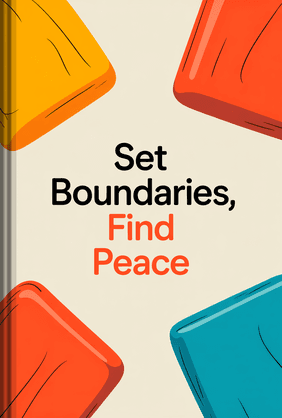
Set Boundaries, Find Peace
Nedra Glover Tawwab
29 Min10 Key Points4.5 Rate2. Introduce the 10-Foot Rule for Chargers
Willpower is unreliable when you are exhausted. Rely on physical friction instead. If your phone charger rests on your nightstand, you will grab the phone out of pure muscle memory.
Move your charger across the bedroom, or better yet, into the kitchen or bathroom. If you use your phone as an alarm clock, buy a basic $15 digital alarm clock from Amazon. When your phone is physically out of arm's reach, the effort required to get out of a warm bed to retrieve it is usually enough to break the scrolling habit.
This strategy of creating physical friction is effective because it interrupts the automatic habit loop. If you feel that the pull of your phone is more than just a nighttime habit and is impacting your life more broadly, you may be dealing with a deeper dependency.
Creating physical distance between yourself and your smartphone is one of the most effective ways to break the midnight doomscrolling cycle. However, if you find yourself constantly migrating to the kitchen just to check your notifications, it might be time to reevaluate your relationship with your device altogether. You don't have to throw your smartphone in the trash, but resetting your digital habits can help you reclaim hours of lost sleep. If you are looking for a practical, step-by-step detox plan to help you regain control over your screen time, this quick read is a fantastic resource.
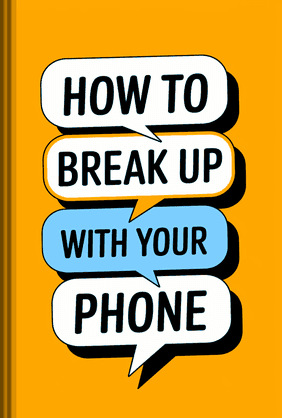
How to Break Up with Your Phone
Catherine Price
45 Min8 Key Points4.6 Rate3. Build an Analog Wind-Down Routine
You still need a buffer between the stress of the day and falling asleep. Instead of digital consumption, switch to analog relaxation. About an hour before you want to sleep, begin your wind-down sequence.
- Dim the overhead lights and switch to warm, low-wattage lamps.
- Drop the room temperature. Your body sleeps best when the bedroom is around 65 degrees Fahrenheit.
- Engage in a low-stakes, screen-free activity.
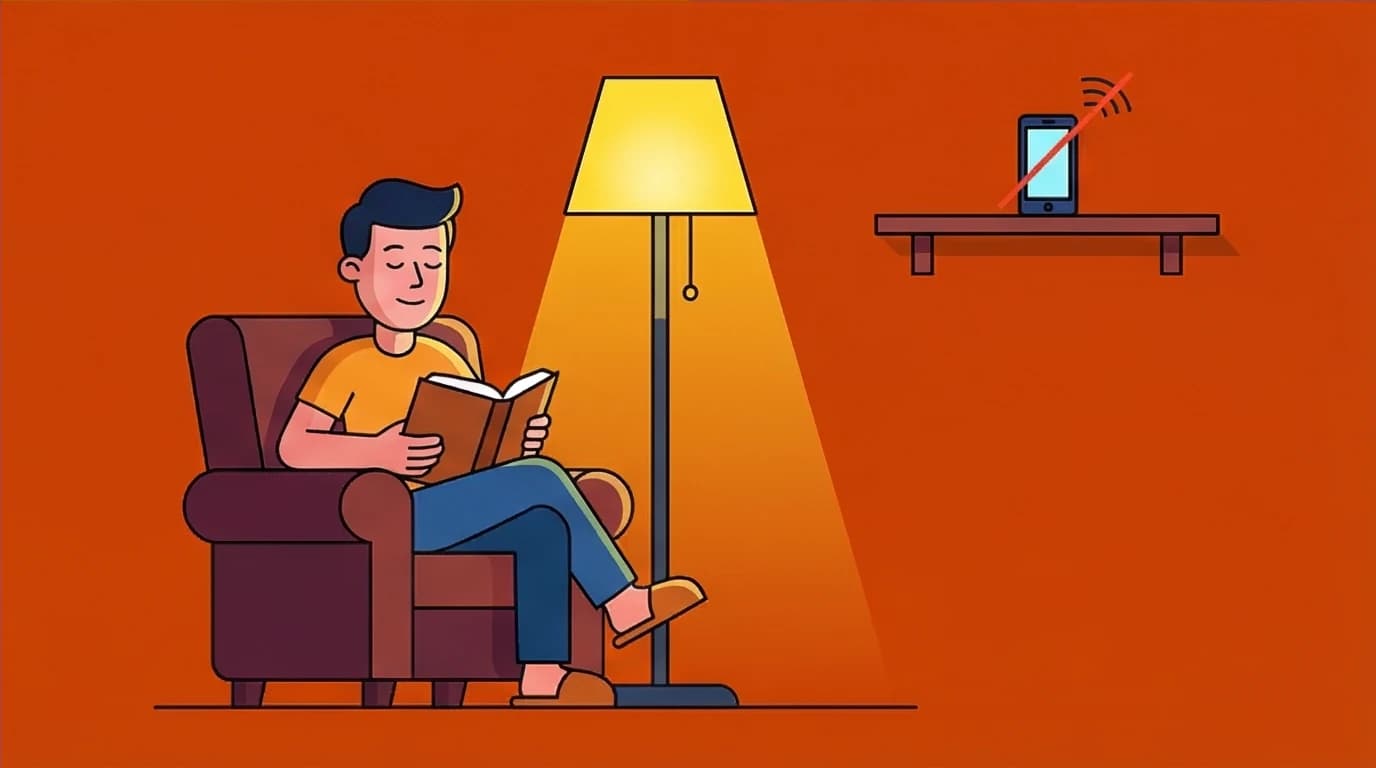
Swapping out years of late-night social media binges for a soothing, screen-free wind-down routine won't happen overnight. It is incredibly common to fall back into the revenge bedtime procrastination trap when you are tired and stressed. The secret to making these new analog behaviors stick is to start ridiculously small—like reading just one page of a physical book or stretching for just two minutes. If you want to understand the mechanics of why we fall into bad routines and how to effortlessly build healthier ones, this bestselling manual on behavior change will completely shift your perspective.
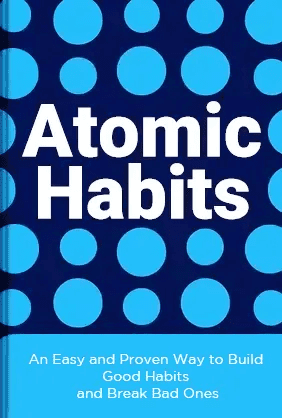
Atomic Habits
James Clear
26 Min7 Key Points4.7 RateSoothing Replacements for Nighttime Scrolling
You do not need to sit in the dark staring at the ceiling. You just need activities that do not involve social media algorithms or blue light.
Listen to an Audiobook or Podcast
Audio is the perfect bridge between entertainment and sleep. You get to lose yourself in a story without exposing your eyes to light. Fire up Audible or Apple Books, pick a fiction novel or a narrative podcast, set a 30-minute sleep timer, and close your eyes.
Audio is the perfect bridge between entertainment and sleep. You get to lose yourself in a story without exposing your eyes to light. Fire up Audible or Apple Books, pick a fiction novel or a narrative podcast, set a 30-minute sleep timer, and close your eyes.
If you like the idea of learning through audio but a full 10-hour audiobook feels daunting at the end of a long day, there's a more focused approach.

LeapAhead

Absorb key insights from nonfiction bestsellers with 15-minute audio summaries, making it easy to learn and wind down without the blue light.
Read a Physical Book
There is a reason reading in bed is a timeless tradition. Digging into a paperback from Barnes & Noble forces your eyes to track across the page, which naturally induces eye fatigue. If you want to track your reading progress and feel a sense of accomplishment, log your pages on Goodreads the next morning. If you prefer e-readers, ensure you are using an e-ink device without the backlight turned up to the maximum.
There is a reason reading in bed is a timeless tradition. Digging into a paperback from Barnes & Noble forces your eyes to track across the page, which naturally induces eye fatigue. If you want to track your reading progress and feel a sense of accomplishment, log your pages on Goodreads the next morning. If you prefer e-readers, ensure you are using an e-ink device without the backlight turned up to the maximum.
But if even a physical book feels like too much of a commitment when you're exhausted, there's a way to get the knowledge without the heavy lifting.
LeapAhead
Get the core ideas from the books on your to-read list in bite-sized summaries, helping you learn and grow even on your most exhausting days.
Practice Gentle Stretching
Ten minutes of slow stretching on your bedroom floor can help release the physical tension stored in your muscles from sitting at a desk or carrying toddlers all day. You do not need a rigorous yoga flow—just simple movements that tell your nervous system the workday is officially over.
Ten minutes of slow stretching on your bedroom floor can help release the physical tension stored in your muscles from sitting at a desk or carrying toddlers all day. You do not need a rigorous yoga flow—just simple movements that tell your nervous system the workday is officially over.
FAQ
Is revenge bedtime procrastination an actual sleep disorder?
No, it is not classified as a clinical sleep disorder like insomnia or sleep apnea. It is a behavioral and psychological phenomenon. However, if left unchecked, the chronic sleep deprivation it causes can lead to severe physical and mental health issues, including increased anxiety, weight gain, and weakened immunity.
No, it is not classified as a clinical sleep disorder like insomnia or sleep apnea. It is a behavioral and psychological phenomenon. However, if left unchecked, the chronic sleep deprivation it causes can lead to severe physical and mental health issues, including increased anxiety, weight gain, and weakened immunity.
How can I relax at night if I hate reading?
Reading is not a requirement for winding down. If books are not your favorite way to relax, try listening to instrumental music, doing a jigsaw puzzle, writing down a "brain dump" of your thoughts in a physical notebook to clear your mind for tomorrow, or listening to guided sleep meditations. The only requirement is that the activity does not involve a brightly lit screen.
Reading is not a requirement for winding down. If books are not your favorite way to relax, try listening to instrumental music, doing a jigsaw puzzle, writing down a "brain dump" of your thoughts in a physical notebook to clear your mind for tomorrow, or listening to guided sleep meditations. The only requirement is that the activity does not involve a brightly lit screen.
Will blue light blocking glasses fix my sleep if I keep scrolling?
While blue light glasses can slightly reduce the physical eye strain from your screen, they do not solve the root problem. The content on TikTok, Instagram, and news sites is engineered to trigger dopamine and cortisol spikes. Even if you block 100% of the blue light, the emotional and mental stimulation of doomscrolling will still keep your brain engaged and prevent you from falling asleep easily.
While blue light glasses can slightly reduce the physical eye strain from your screen, they do not solve the root problem. The content on TikTok, Instagram, and news sites is engineered to trigger dopamine and cortisol spikes. Even if you block 100% of the blue light, the emotional and mental stimulation of doomscrolling will still keep your brain engaged and prevent you from falling asleep easily.