

You volunteered to host the next book club meeting. Most of your group loved reading Glennon Doyle's memoir, but now you face a real challenge. You need to guide the conversation past the standard "I really liked it" phase. You want your group to dig into the raw, vulnerable topics Doyle presents, but you do not want the night to stall out in awkward silence.

This isn't a standard fiction novel where you can just debate the plot twists. Untamed forces readers to look in the mirror. To get the best out of your evening, you need a structured approach that makes it safe for people to open up.
Setting the Stage: An Untamed Reading Guide
When Untamed was selected for Reese's book club, it exploded into a cultural phenomenon across the United States. It dominated Amazon charts and sparked thousands of threads on Goodreads. The reason it resonated so deeply is that it puts words to the invisible pressures women face every day.
As a host, your job is to help the group unpack those pressures. A good Untamed reading guide does not test reading comprehension. It uses the book as a mirror. Set the ground rules early. Let your group know that tonight is about personal reflections. Remind them that differing opinions are welcome, and what is shared in the room stays in the room.
If you are leading the discussion, it is incredibly helpful to have a physical copy of the memoir on hand so you can easily reference specific quotes or passages. Many book club hosts also love bringing the audiobook version to play a quick, five-minute clip of Doyle’s own narration before diving into the questions. Hearing her voice adds a powerful layer of vulnerability to the room. If a few of your members still need to grab their copy, or if you want the audio version to prep for your hosting duties, you can find it right here.

Untamed
Glennon Doyle
 40 Min
 8 Key Points
 4.2 Rate
Core Glennon Doyle Untamed Themes to Ground Your Group
Before you start asking specific questions, take five minutes at the beginning of your meeting to summarize the core concepts. People get busy. Some members might have listened to the audiobook on Audible a month ago and need a quick refresher. Briefly reviewing the main Glennon Doyle Untamed themes ensures everyone starts on the same page.
- The Cages: The external expectations, religious dogmas, and societal rules placed on women from childhood. Doyle argues these cages force women to abandon their true selves to please others.
- The Cheetah: The wild, untamed instinct buried inside us. It represents who we were before the world told us who we were supposed to be.
- The Knowing: A deep, quiet internal intuition. Doyle encourages women to sink beneath the noise of the world to find their own internal compass.
- Martyrdom vs. Motherhood: The toxic cultural idea that a good mother must completely erase her own desires and identity for her children. Doyle shifts the paradigm to "mothers as models" rather than martyrs.
A quick review of the core themes is a great starting point. If some members need a more in-depth refresher on the book's structure and key stories, a full summary can be incredibly helpful.

The Ultimate List of Untamed Book Club Questions
To keep your meeting flowing naturally, organize your questions by topic. Start broad and light, then gradually move into the heavier, more personal subjects.
Icebreakers to Start the Night
Do not jump straight into heavy childhood trauma. Let everyone grab a drink, settle in, and warm up.
- What was your initial reaction to the book's title, Untamed? Did the book deliver on that promise for you?
- Did you read the physical book, or did you listen to Glennon Doyle narrate the audiobook? Do you think hearing it in her own voice changed the experience?
- Which chapter or specific vignette stood out to you the most immediately after finishing the book?
- If you had to describe this book to a friend in three words, what would they be?
Discussing The Cheetah and Social Conditioning
The opening story of Tabitha the cheetah at the zoo sets the tone for the entire memoir. Use these Untamed book club questions to explore how society trains women to conform.
- In the opening chapter, Doyle watches a captive cheetah chase a dirty pink bunny. What does the "dirty pink bunny" represent in your own life right now?
- Doyle talks about the "memos" women receive growing up about how to look, act, and feel. What is one specific "memo" you remember receiving as a young girl? Have you managed to unlearn it?
- "We are entirely responsible for our own lives." How did Doyle's realization of her own cages make you look at the structures in your own life?
- Doyle writes about how girls are taught to shrink, while boys are taught to expand. How do you see this dynamic playing out in your local community, workplace, or family?
Host Tip: When asking about the "memos," be prepared to share your own first. Vulnerability breeds vulnerability. If you share a real expectation you felt burdened by, the rest of the group will follow your lead.
Doyle’s revelations about abandoning her true self to meet societal expectations pair perfectly with Brené Brown’s extensive research on vulnerability and authenticity. If your book club gets deeply invested in the conversation about unlearning childhood "memos" and letting go of perfectionism, you might want to suggest The Gifts of Imperfection as your next group read. It offers a fantastic, research-backed roadmap for ditching the exhausting need to please others and finally embracing who you truly are.
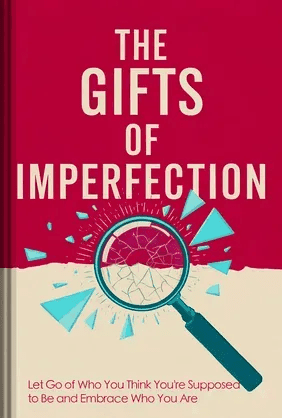
The Gifts of Imperfection
Brené Brown, Ph.D.
34 Min10 Key Points4.6 RateExploring Motherhood, Martyrdom, and Family
This section often generates the most passionate discussions. The concept of motherhood in America is heavily loaded with guilt and expectations.
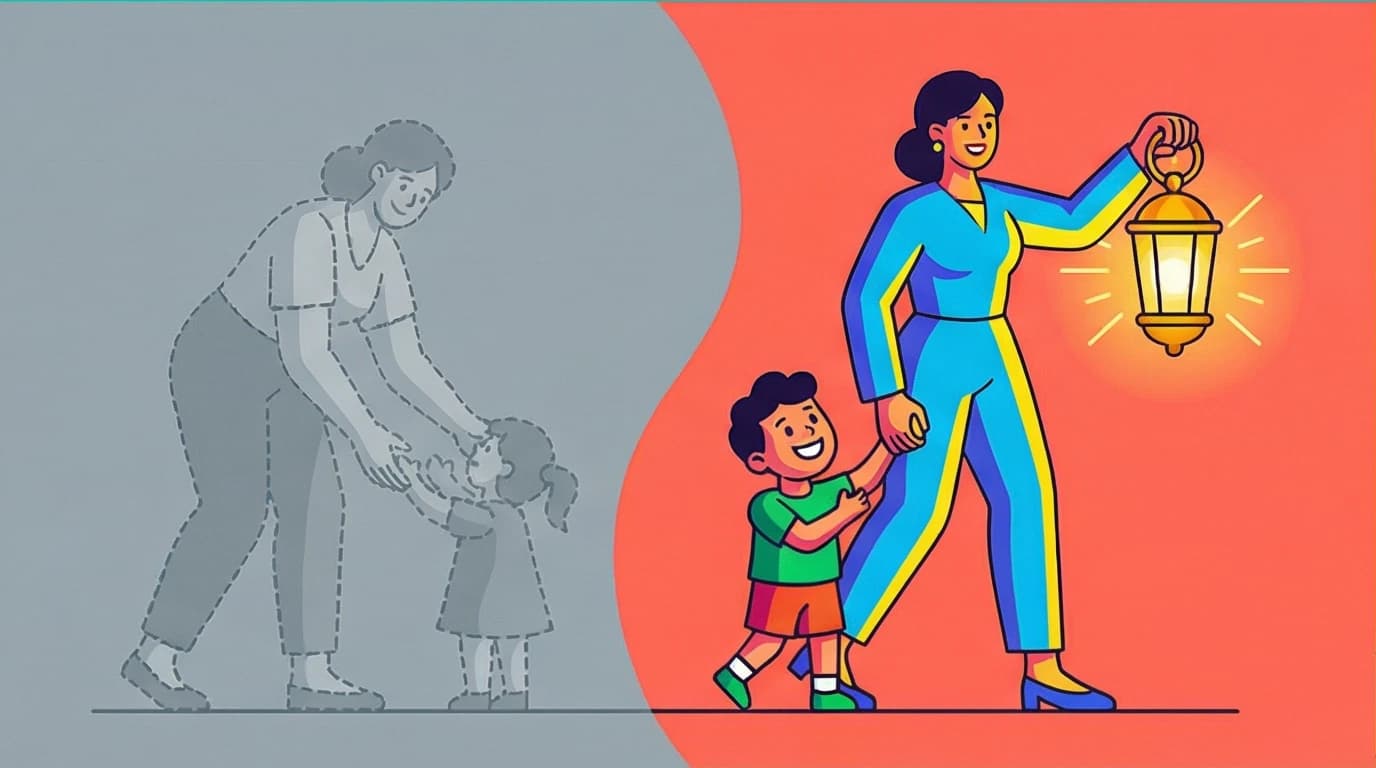
- Doyle makes a powerful distinction between being a "model" and being a "martyr" for her children. Do you agree that the ultimate sacrifice is actually damaging to kids?
- Think about the generational differences in parenting. How does your approach to motherhood or family life differ from your own mother’s approach?
- Doyle writes, "A woman who is full of herself knows and trusts herself enough to say and do what must be done." Why does society view a woman who is "full of herself" negatively?
- How did Doyle handle the blending of her family with Craig and Abby? What did you think of her approach to co-parenting and navigating family gatherings?
Doyle’s approach to co-parenting and building a new family structure is a central, and often challenging, part of her story. Her relationship with Abby Wambach is the catalyst for much of the change she describes.
The shift from playing the "martyr" to being a "model" is one of the most liberating concepts for moms to grasp, yet it goes against so much of modern American parenting culture. If your group spends a lot of time unpacking the heavy guilt associated with motherhood, they will get tremendous value out of Dr. Becky Kennedy's groundbreaking approach to family dynamics. Her philosophy perfectly reinforces Doyle's message, showing mothers how prioritizing their own emotional health and holding firm boundaries actually makes them sturdier, more capable parents.

Good Inside
Dr. Becky Kennedy
38 Min7 Key Points4.6 RateFinding "The Knowing" and Trusting Intuition
Doyle spends a lot of time discussing how she stopped asking for directions and started trusting herself.
- Doyle describes "The Knowing" as sinking deep into herself to find the next right step. Do you have a similar practice? What does your "Knowing" feel like?
- Why is it so difficult for women to trust their own intuition? What external voices usually drown it out?
- In the book, Doyle physically retreats to a closet to find silence and connect with her inner voice. Where is your physical or mental "closet"? Where do you go to hear yourself think?
- She stopped asking her friends for advice on her marriage and life choices. Have you ever crowdsourced a major life decision because you were afraid to trust your own gut?
Learning to trust your intuition is a radical act that often requires unlearning a lifetime of people-pleasing. For a deeper look at how to set boundaries and stop abandoning yourself, explore the practical lessons from Untamed.
Navigating Anger, Heartbreak, and Big Emotions
Untamed pushes back against the idea that women should always be pleasant, happy, and accommodating.
- Doyle frames anger and heartbreak not as things to avoid, but as guides. She says, "Your heartbreak is your purpose." What breaks your heart in the world right now?
- How do you typically handle anger? Do you suppress it, let it out, or channel it? Has reading this book changed your perspective on your own anger?
- Doyle discusses numbing her feelings with alcohol and food in the past. What are the socially acceptable "numbing" mechanisms we use today (like scrolling on our phones, staying overly busy, or shopping)?
- "We can do hard things." This is the core mantra of the book. How does this phrase change the way you look at an upcoming obstacle in your life?
Pushing back against the expectation that women must always be pleasant, accommodating, and endlessly resilient is exhausting work. When we suppress our natural anger and stress, it takes a very real, physical toll on our bodies. If your group deeply resonates with Doyle's struggles to process big, heavy emotions without numbing out through endless scrolling or staying busy, you should highly recommend Burnout. This eye-opening read explains the biological stress cycle and gives women actionable, science-backed strategies for safely processing the exact kind of emotional exhaustion Doyle describes.

Burnout
Emily Nagoski, Ph.D., Amelia Nagoski, DMA
25 Min9 Key Points4.5 RateWith so many powerful books to explore, it's easy for your group's 'to-read' list to feel overwhelming. If you're excited by these ideas but struggle to find the time for more full-length books, an app like LeapAhead can be a great way to bridge the gap.

Quickly grasp the core insights from authors like Brené Brown and the Nagoski sisters in 15-minute summaries, so you can keep the powerful conversations going without the reading guilt.

Download LeapAhead App now
How to Structure Your Untamed Discussion Guide for the Night
Having great questions is only half the battle. You need to structure the evening so the conversation feels natural. Here is a quick breakdown to organize your time.
First 15 Minutes: Socializing and Ground Rules
Let people grab snacks. Pour the drinks. Once everyone sits down, remind them that Untamed touches on sensitive topics like religion, divorce, sexuality, and parenting. Set the expectation of a supportive, judgment-free zone.
Let people grab snacks. Pour the drinks. Once everyone sits down, remind them that Untamed touches on sensitive topics like religion, divorce, sexuality, and parenting. Set the expectation of a supportive, judgment-free zone.
Next 15 Minutes: Theme Recap and Icebreakers
Use the core Glennon Doyle Untamed themes mentioned above to set the mood. Ask your icebreaker questions to get everyone talking.
Use the core Glennon Doyle Untamed themes mentioned above to set the mood. Ask your icebreaker questions to get everyone talking.
The Core Hour: Deep Dive
Pick your top 5 or 6 questions from the list. Do not try to ask all 20 questions. If the group gets deeply engaged in the discussion about motherhood versus martyrdom, let them stay there. A successful book club is about the quality of the conversation, not finishing a checklist.
Pick your top 5 or 6 questions from the list. Do not try to ask all 20 questions. If the group gets deeply engaged in the discussion about motherhood versus martyrdom, let them stay there. A successful book club is about the quality of the conversation, not finishing a checklist.
Final 15 Minutes: The Takeaway
Wrap up the night by asking everyone to share one tangible thing they want to change or "untame" in their lives based on the book. This ends the meeting on an actionable, empowering note.
Wrap up the night by asking everyone to share one tangible thing they want to change or "untame" in their lives based on the book. This ends the meeting on an actionable, empowering note.
Keeping that empowering momentum going after the book club meeting ends is often the hardest part. If your group is fired up to learn more but struggles with busy schedules, you can use micro-learning to fit these big ideas into small pockets of your day.
Continue your 'untamed' journey by listening to key takeaways from bestselling self-growth books during your commute or workout, turning small moments into powerful learning habits.
Download LeapAhead App now
FAQ
Is Untamed appropriate for a workplace or corporate book club?
It depends heavily on your company culture. Untamed explores highly personal themes, including sexuality, divorce, religious deconstruction, and overcoming addiction. While it is incredibly empowering, it might push people to overshare in a professional environment. It is generally better suited for personal friend groups or established, high-trust community book clubs.
Do members need to read Doyle's previous books (Carry On, Warrior or Love Warrior) before this one?
No. Untamed stands completely on its own. While her previous books provide background on her first marriage and early recovery, Untamed actively corrects and updates some of the conclusions she drew in Love Warrior. Your group can dive straight into this book without missing a beat.
What if some members didn't finish the book before the meeting?
They can absolutely still participate. The beauty of an Untamed discussion guide is that the questions lean heavily on personal life experiences. Even if a member only read the first few chapters, they can still contribute meaningfully to discussions about societal expectations, family dynamics, and trusting their intuition.
How long does a typical discussion of Untamed take?
Expect the discussion to run longer than your average fiction book club. Because the questions prompt personal storytelling, a solid discussion usually takes about 90 minutes to two hours. Plan your evening and your refreshments accordingly so nobody feels rushed.